People often confuse bed bug bite allergies with other types of allergies. When a bedbug bites, it leaves a distinctive, easily identifiable bite on the skin. Sometimes these bites cause an allergic reaction, which manifests itself with redness and itchiness around the bite. In this post, we will share the best pictures of allergic Reactions to bed bugs so you can better understand what these allergies look like.
Common Symptoms of Bed Bug Allergic Reactions
People react to bed bug bites in different ways: some show no visible sign of it, whereas others do so with itchy and inflamed spots. In a number of instances, the reaction can be more severe, involving larger or painful swellings, blisters, or hives. Although severe allergic reactions are uncommon, they are possible. Scratching can worsen the skin and might cause a secondary infection. It is important to keep the affected area clean and to avoid scratching even if the itching is unpleasant.
Bed Bug Allergy Pictures
As we all know, bed bugs feed on blood. They do this with the help of their proboscis, which is a kind of elongated beak. When biting, bedbugs inject an anesthetic into the skin, so people do not feel anything at the time of the bite.
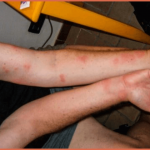
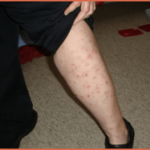
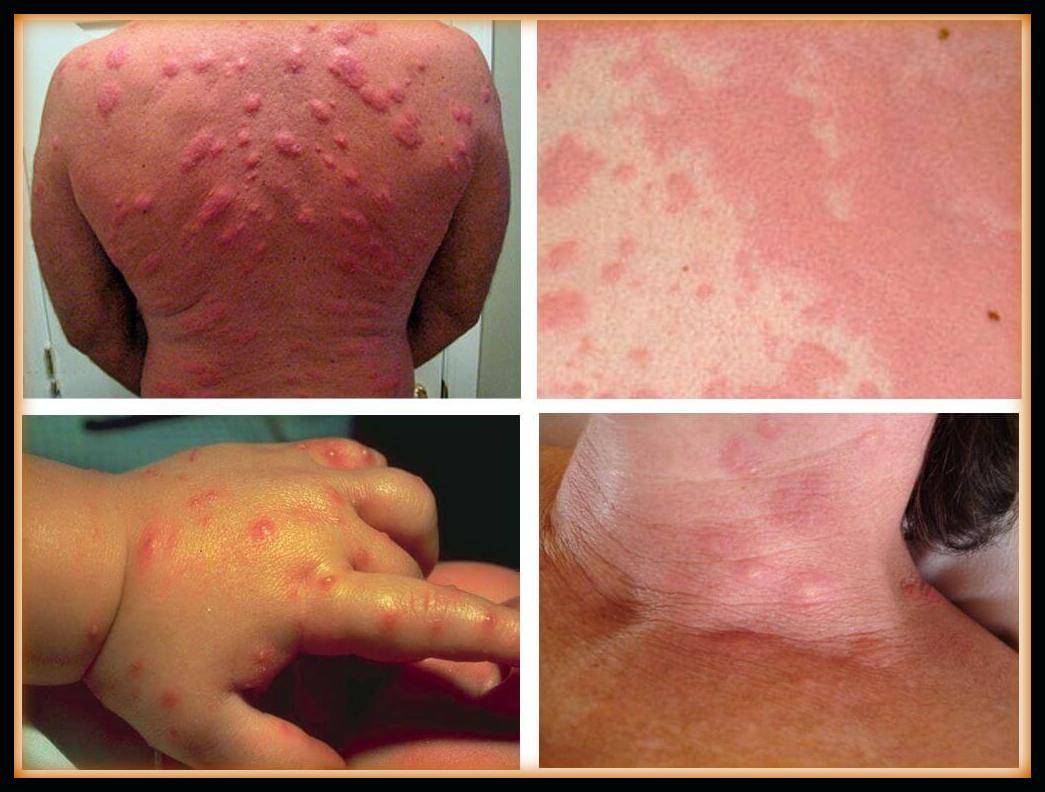
The most common symptoms are small red bumps that are very itchy. These bumps are often distributed in a zigzag pattern, although they can also be in a straight line. Symptoms of itching appear from 10 minutes to 2 hours after the bite; it all depends on the sensitivity of each person’s skin.
The first image contains 4 photos with bedbug bites on different parts of the body. It is possible to appreciate the reactions on the back, hand, and neck. In some cases, the redness or erythematous area can extend several centimeters from the bite.

Generally, the lesions are not painful and usually heal in a few days, without the need to do anything. On other occasions, the bites can become quite inflamed from scratching, and it is necessary to use topical antihistamines to relieve the swelling.
However, there are also people within the population who have a genetic predisposition to suffer an anaphylactic reaction or type 1 hypersensitivity reaction. These individuals are called atopic subjects.

Each sting manifests itself differently, and the affected person must learn to recognize the different types of skin lesions caused by insect stings. Bed bug bites can be similar to those of mosquitoes or fleas as well as to certain rashes and skin disorders. A line or a group of bites may lead to suspicion, but this does not prove that bed bugs are there. The U.S. Environmental Protection Agency states that bites on their own are a poor indication of an infestation.
On the other hand, until today there are no known diseases transmitted by bedbugs. So you could say they do not represent any health risk. However, bedbugs have become a problem, since their bites are quite annoying and aesthetically they look so bad.
If your bites are consistent with bed bug bites, you should take measures against bed bugs such as cleaning and disinfection. You can also use commercial products against bed bugs; however, you should be clear about their use for different situations.
The following is an image of a model who suffered a bed bug bite during a trip from Barcelona, Spain, to Lima, Peru. The image shows welts from bed bug bites with allergies around them, especially in the neck.

Bed Bug Bites Allergic Reaction Pictures
The bites can be severe, or they can be mild. The most exposed parts of the body are the most affected. Avoid scratching too much, as the lesions can leave a reddish-brown stain on the skin.
This image shows a lot of bites on a man’s back. This poor man was beaten up!
If your situation is a severe bed bug infestation, it is best to call a specialist for information or the nearest fumigation company.

Bed Bug Rash Photos
A rash occurs when bed bug bites are close together. In this case, the affected area is made up of a group of bumps. The swelling covers a large area and may look like a large red spot.
The following image shows the back of another person who has been bitten by bedbugs. In this case, the number of bites is much higher and has caused a rash in all areas of the back. You can also see the reddish-brown spots produced by so much scratching.
To prevent a rash, avoid scratching the affected area so that the rash does not develop into a major skin infection. If this occurs, have a medical professional evaluate and treat the rash.
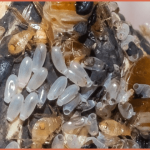
The next image shows a reddened area of the skin with several bedbugs at different stages of development.

If the skin reactions continue or if you are uncertain about whether they are due to bed bugs, you should consult a healthcare professional. They will be able to evaluate your symptoms and assist you in deciding if further assessment or treatment is necessary.
The key to preventing bed bug bites is to prevent the insects from entering, feeding, and reproducing in human environments. Special care should be taken when traveling or when visiting neighbors. You should also be careful in places such as apartment or condominium buildings, large office spaces, hotels, among others.
Treatments for bed bug bites
Indicated treatments are skin cream containing hydrocortisone and an oral antihistamine, such as diphenhydramine. Other helpful home remedies and over-the-counter solutions include calamine lotion, hydrocortisone cream applied to the affected area, ice packs, and a course of antibiotics recommended by your doctor.
Conclusion
Bed bug bites heal easily in most people. However, some people are hypersensitive and tend to have allergies. With these images, you can better guide yourself in case of an allergy or rash. There are several treatments used in case of bed bug bites. The most common treatment is calamine cream on the bites. If you have pain, exudate, or a bad smell, it is best to seek medical advice. See you soon!