
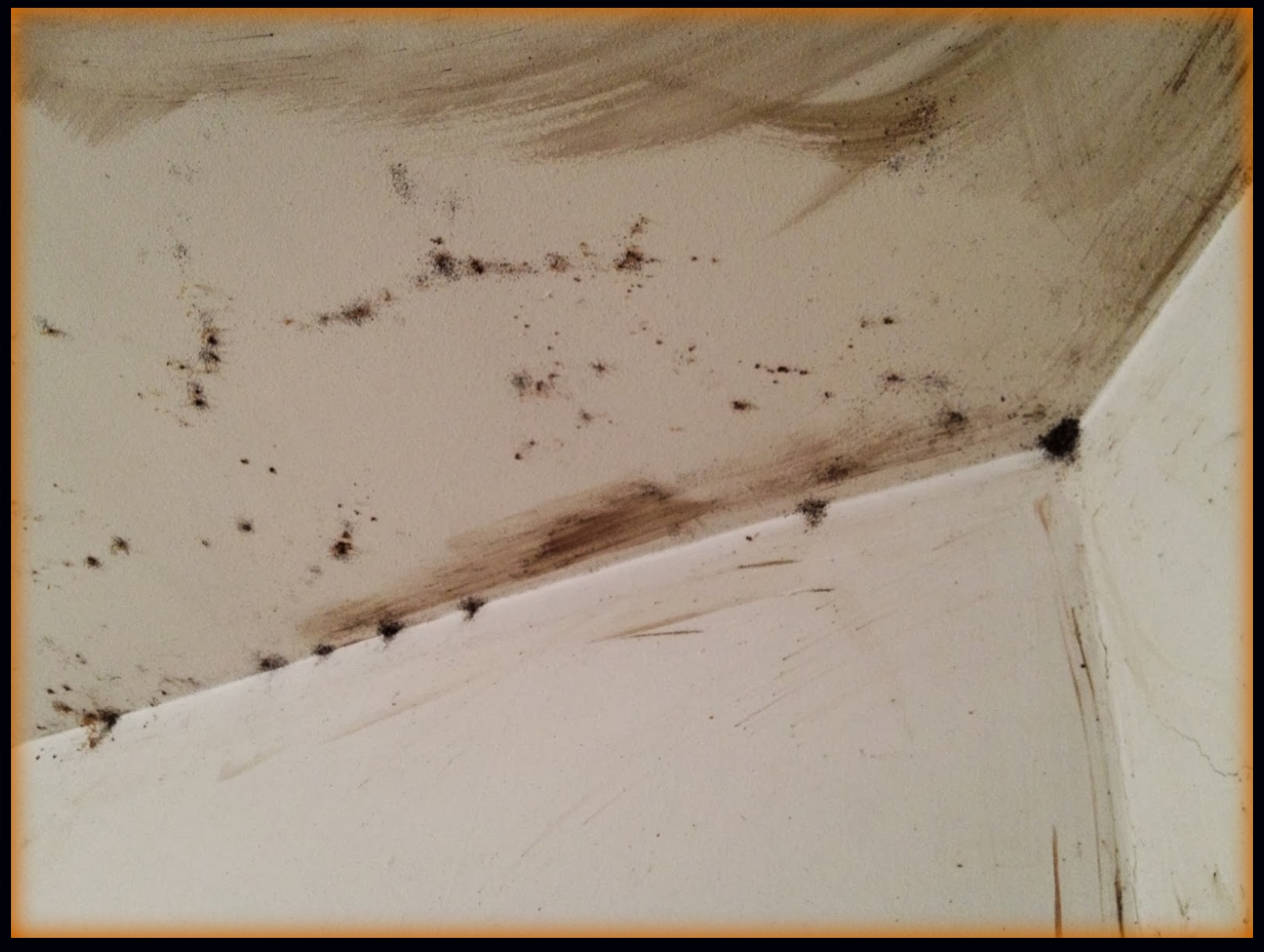
Seeing bugs or dark spots on your ceiling can be quite disturbing. While bed bugs can take up residence near the ceiling, particularly in cracks and along the edges where the wall meets the ceiling, a single photograph might not be enough to prove that there is an infestation. The following points outline what to look for and how to react safely.
Signs of Bed Bug Infestation on Ceilings
Bed bugs are generally discovered in areas where people sleep, for example, in the seams of the mattress, in the bed frame, in the headboard, and in nearby furniture. They may also be found in cracks, behind dangling wallpaper, and in the area where the wall meets the ceiling. Look for:
- Insects that are live, flat, and oval in shape, usually reddish-brown when they reach adulthood.
- Small, pale eggs or shed skins in cracks that are sheltered.
- There are small dark or rust-coloured marks close to places where one might hide.
The presence of dark spots or stains on a ceiling doesn’t by itself prove that there are bed bugs. If you do spot an insect, take a clear photograph of it or place the specimen in a sealed container so that it can be identified. You should also check the areas where you sleep.
Here we present a gallery of images of bedbugs on the ceiling that will serve to identify a possible infestation. The first image corresponds to a severe infestation. The colonies can be clearly seen. Also, you can see the spots of feces.

Why Bed Bugs Are Found on Ceilings
People usually don’t check the ceilings when looking for bed bugs, even though the insects can use narrow cracks and gaps as places to hide. The area where the wall meets the ceiling, any loose wallpaper, and the gaps around fixtures might offer a place for them to shelter. Yet finding a bed bug in such a location is a reason to carry out a check of the room, not in itself proof of a serious infestation.
You may use the pictures in this article to compare what you are seeing with possible signs of bed bugs, but photographs are only the beginning since stains and other insects can appear similar, and so you should verify any suspected evidence before deciding on a course of action. Remember that bedbugs are a really nasty pest. It is necessary to take measures to avoid infestations. In the following image, we can see a small colony that is beginning to migrate to the roof. It is time to take urgent action and prevent the plague from spreading.

Sites affected by bedbugs have a characteristic, very unpleasant sweetish odor. The humidity of the site can aggravate the problem. Not only are living bedbugs responsible for the odour, but also the nymphs, droppings, and skins left behind after molting, in whose glands the pheromone compounds are still retained and slowly released.
The nests or colonies are made up not only of adult forms, nymphs, and eggs, but also of droppings and shells of molted skins. Several studies have found that a single pregnant bedbug is enough to create a new infestation, as it can quickly produce entire generations of offspring.
So far, we have presented 2 excellent images that contain photos of bedbugs on the ceiling. The following image also corresponds to a serious infestation. Although the image is small, you can see several colonies. The colonies are made up of male and female bedbugs at different stages.

Effective Methods for Detecting Bed Bugs in Your Home
Inspect the mattress seams, the box spring, the bed frame, the headboard, the nearby furniture, the baseboards, and the cracks all around the room using a flashlight. If you have noticed a bug or signs on the wall-ceiling edge, then check that area. Look for live insects, eggs, cast skin, and dark spots—not just bites. If you can, take a photograph or safely capture the insect in question. A professional pest controller can then identify it and check the areas that are hard to access.
In our last image, it is also possible to see how bedbugs have migrated to the ceiling and have made a colony in the corner of the wall and ceiling.

If you are looking to identify a possible bed bug infestation in your home, these images can help you a lot. With them, you can make sure you don’t have bedbugs in your house. If you have any indication that there are bedbugs in your home, it is best to call an expert to take action against this annoying pest.
Conclusion:
Staying Vigilant Against Bed Bugs. Spotting a possible bed bug on the ceiling can be concerning, but you shouldn’t try to work out what it is based on a single sighting or a single photograph. Instead, check the areas where bed bugs are likely to hide, record everything you find, and seek assistance with identification or treatment if necessary. Taking a careful and calm approach is not only safer but also more useful than rushing ahead and carrying out a treatment that might make the situation worse.


